 Oil pump jacks operating across the American plains. The United States is the world's largest oil and gas producer, making energy companies a constant presence in both congressional debates and investor portfolios.
 An aerial view of a large open-pit mine. Mining provides the raw materials — copper, lithium, cobalt, uranium, and rare earth elements — that are essential for electric vehicles, power grids, defense systems, and advanced manufacturing.
Energy and mining names keep showing up in Congress filings because modern life runs on two basic things: power and raw materials. Homes need electricity. Factories need fuel. Cars, phones, servers, weapons systems, and power grids all depend on metals and minerals that have to be found, processed, and moved. If you strip away the market jargon, the story is simple. The country needs reliable energy, and it needs the materials that help build everything from transmission lines to batteries to data centers.
That is the first reason these stocks appear so often. The sector sits close to everyday life. People notice gasoline prices. They notice power bills. They notice blackouts. They notice when headlines talk about oil, natural gas, nuclear power, copper, lithium, uranium, or rare earths. Investors notice too. These are not remote products. They are inputs that sit under large parts of the economy.
The second reason is that Congress is deeply involved in this world. Lawmakers debate drilling, pipelines, exports, grid reliability, permitting, nuclear development, public lands, mining rules, domestic supply chains, and how fast the country can build new infrastructure. When a sector lives near so many public policy questions, it will stay in the spotlight. That does not mean every energy or mining trade is dramatic. It means the sector is always tied to big national questions.
Energy and mining cover many different stories
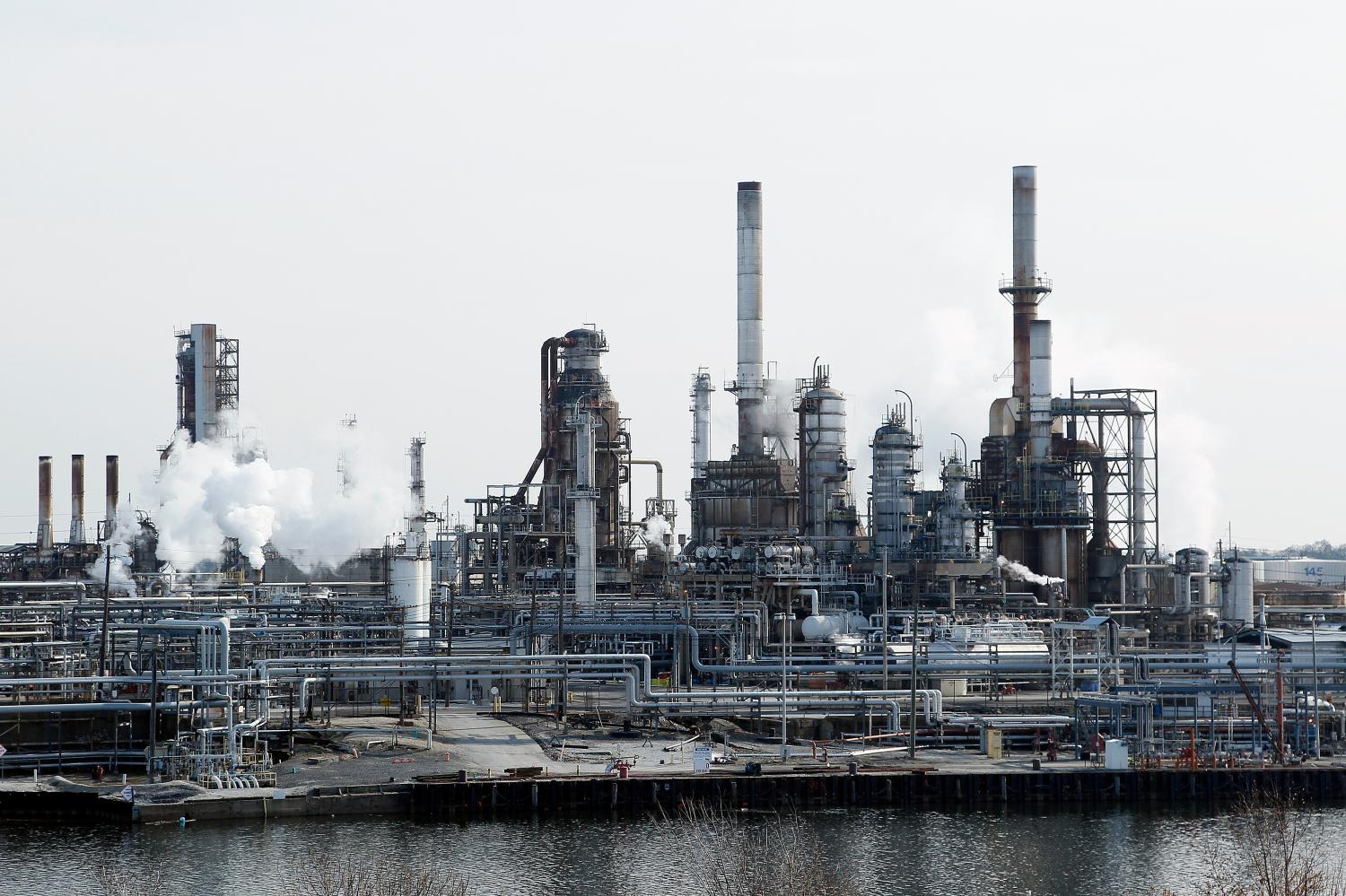
A lot of readers hear the phrase energy stocks and think only of oil companies. That is too narrow. Energy can include oil, natural gas, refiners, pipelines, utilities, nuclear-related companies, solar firms, geothermal players, and service businesses that help move or generate power. Mining can include copper, gold, lithium, uranium, steel inputs, rare earths, and other materials used in construction, electronics, defense, and manufacturing.
This matters because a filing may show two companies that sit in the same broad sector but depend on very different forces. An oil producer may care most about crude prices and drilling economics. A utility may care more about regulation, capital spending, and stable demand. A uranium name may be tied to nuclear buildout and fuel supply. A copper or lithium company may rise or fall with industrial demand, battery themes, or long-term supply expectations. These are not all the same bet.
Readers get more value when they slow down and ask a better question: which part of the energy or materials chain does this company sit in? Once that becomes clear, the reason a name may show up in filings often becomes much easier to understand.
Why oil and gas names stay important
Oil and gas still matter because they remain central to transport, industry, heating, chemicals, and global trade. Even people who never buy an energy stock know when gasoline prices jump. Businesses know when fuel costs rise. Markets know when global supply looks tight or when geopolitical conflict threatens production and shipping routes. That constant relevance keeps oil and gas names in the public eye.
Investors may buy oil and gas companies for several reasons. Some want exposure to higher commodity prices. Some want cash flow and dividends. Some prefer large integrated energy companies because they combine upstream, downstream, and global scale. Others look for smaller producers with more direct exposure to price moves. The logic can differ, but the sector remains familiar because the products are still so important.
Congress stays close to these issues too. Lawmakers debate leasing, exports, pipelines, refinery capacity, environmental rules, and energy security. That does not mean every trade is a direct response to a hearing or bill. But it does mean the policy backdrop is always present. A sector tied to fuel prices, public land, infrastructure, and national security is naturally going to attract attention.
Utilities and the grid deserve more attention than they get
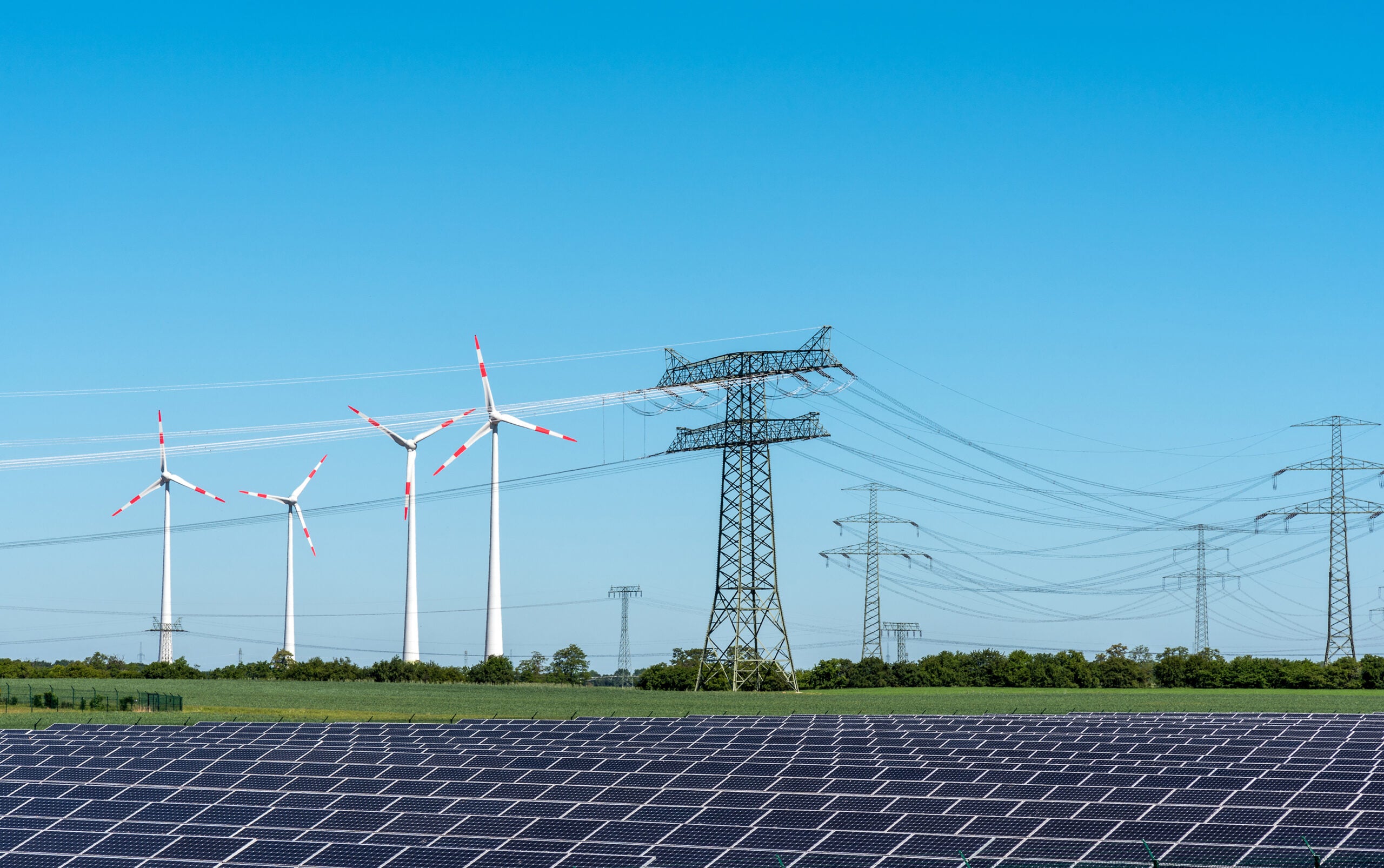
Many readers focus on oil and gas because those names are famous, but utilities may be just as important in the next phase of the energy story. Utilities help generate, move, and deliver power. They are tied to the grid, transmission lines, substations, and local demand growth. If the country needs more electricity for factories, homes, electric vehicles, and data centers, utilities become a major part of that conversation.
This is one reason utility names can start showing up more often. The market is paying more attention to how much power new technologies may need. Data centers are a big example. Artificial intelligence requires computing power, and computing power requires electricity. If more AI infrastructure gets built, questions about who will supply that electricity become more important. That shifts part of the energy story from pure fuel production to grid buildout and power delivery.
Utilities often look different from high-volatility commodity names. Investors may like them for regulated cash flow, dividends, and long planning cycles. Others may like them because they see a long runway for new power demand. The companies may not sound exciting at first, but they sit close to one of the biggest practical questions in the economy: how do you keep the lights on as demand grows?
Nuclear and uranium have moved back into the conversation
Nuclear power has returned to the public discussion because it offers large-scale electricity without the same fuel profile as oil or gas. For investors, that has reopened interest in uranium, reactor development, fuel supply, and the broader nuclear ecosystem. For policymakers, nuclear matters because it touches grid reliability, industrial strength, national security, and long-term power planning.
That does not mean every uranium stock is the same. Some names are tied to mining. Some are tied to fuel services. Some are tied to equipment or project development. The key point is that nuclear is no longer a forgotten corner topic. It is back in the mainstream energy conversation, and that helps explain why related names can attract market interest.
Congress and federal agencies are part of that story because nuclear buildout, permitting, energy planning, and domestic fuel supply all involve public decisions. When lawmakers discuss grid strength and the need for more dependable power, nuclear often enters the room. That public policy relevance can help keep the sector visible.
Critical minerals are now a national issue, not just a niche topic
For a long time, many people thought of mining as a narrow and old-fashioned industry. That view does not fit the current moment very well. Today, critical minerals are part of a much bigger national conversation. Copper is needed for wires, transmission, and construction. Lithium matters for battery supply chains. Rare earths matter for magnets, electronics, and some defense systems. Uranium matters for nuclear fuel. Other mined inputs support manufacturing, aerospace, semiconductors, and industrial equipment.
That is why mining names can show up in filings even when the average person is not talking about mining every day. Investors understand that many future growth stories still need physical materials. You cannot build transmission lines, batteries, advanced equipment, or large industrial systems out of headlines alone. You need the underlying stuff.
This is also where national strategy enters the picture. Public debate now often includes the question of where these minerals come from, how secure supply chains are, how long projects take to permit, and whether the country wants more domestic production. Those are not small questions. They tie mining to manufacturing, defense, energy, and trade.
Why energy and mining can appeal to investors
There are many normal reasons investors like these sectors. Some want dividend income from large energy companies or utilities. Some want exposure to commodity cycles. Some think the market underestimates long-term demand for power, fuel, or industrial materials. Some like the inflation connection that parts of the sector may offer. Others simply want diversification away from expensive growth stocks.
This matters because it helps readers stay grounded. A filing that shows an energy or mining name does not have to mean anything dramatic. The buyer may simply want a cash-generating company. They may want a hedge against inflation or geopolitical stress. They may believe a utility will benefit from rising power demand. They may think copper or uranium supply is tight. They may want a sector that feels tied to real assets rather than to pure software expectations.
Those are ordinary investment ideas. Public disclosures are useful because they show that a move happened. They do not reveal every layer of the reason behind it.
What readers should look for in these filings
If you are reading a filing and see an energy or mining name, ask a few simple questions. Is the company an oil producer, a natural gas company, a utility, a pipeline business, a refiner, a uranium company, a copper miner, or a diversified materials name? Does it depend mostly on commodity prices, regulated returns, large projects, or long-term supply contracts? Has Congress recently been discussing drilling, grid reliability, nuclear policy, permitting, exports, or domestic mineral supply? Has the company been in the news for production changes, mergers, power demand, or price swings?
These questions turn a broad sector label into a clearer story. The phrase energy stock sounds simple, but the energy system has many moving pieces. The same is true for mining. A thoughtful reader tries to place the company inside the chain. Is it producing fuel? Carrying fuel? Delivering power? Mining a key material? Serving a long-term buildout theme? Once you know that, the trade often makes more sense.
It also helps to avoid overreading one disclosure. Public reports do not show the full portfolio, the time horizon, or how large the position is compared with everything else the buyer owns. They show one event. That event can be informative. It is still only one piece of the puzzle.
What these filings do not prove
A public filing can show that someone bought or sold an energy or mining name. It cannot show the full thesis. It cannot prove the person made the move because of one hearing, one conflict, or one policy signal. It cannot show whether the trade was part of a larger portfolio rebalance. It cannot show what else the household owned in related sectors.
That is why the strongest explanation is often the simplest one. Energy and mining names appear often because these sectors are large, practical, policy-heavy, and tied to basic national needs. The country needs reliable power. It needs fuel. It needs wires, metals, and materials. The market knows this. Congress talks about it. Investors respond to it. That broad framework explains a lot without needing dramatic claims.
The simple bottom line
Oil, gas, utilities, uranium, copper, lithium, and other resource names keep appearing in Congress filings because they sit near some of the biggest real-world questions in the economy. How do you keep power reliable? How do you build more infrastructure? Where do key materials come from? How do you balance cost, security, and speed? Congress debates these questions all the time, and investors know the answers can shape long-term winners and losers.
So when energy and mining stocks appear again and again in public disclosures, the pattern is not strange. It reflects the simple fact that modern economies still run on fuel, power, and the raw materials needed to build the future.